
Real Estate Buy Sell Rent Wall Street Hidden Thrust
— 6 min read
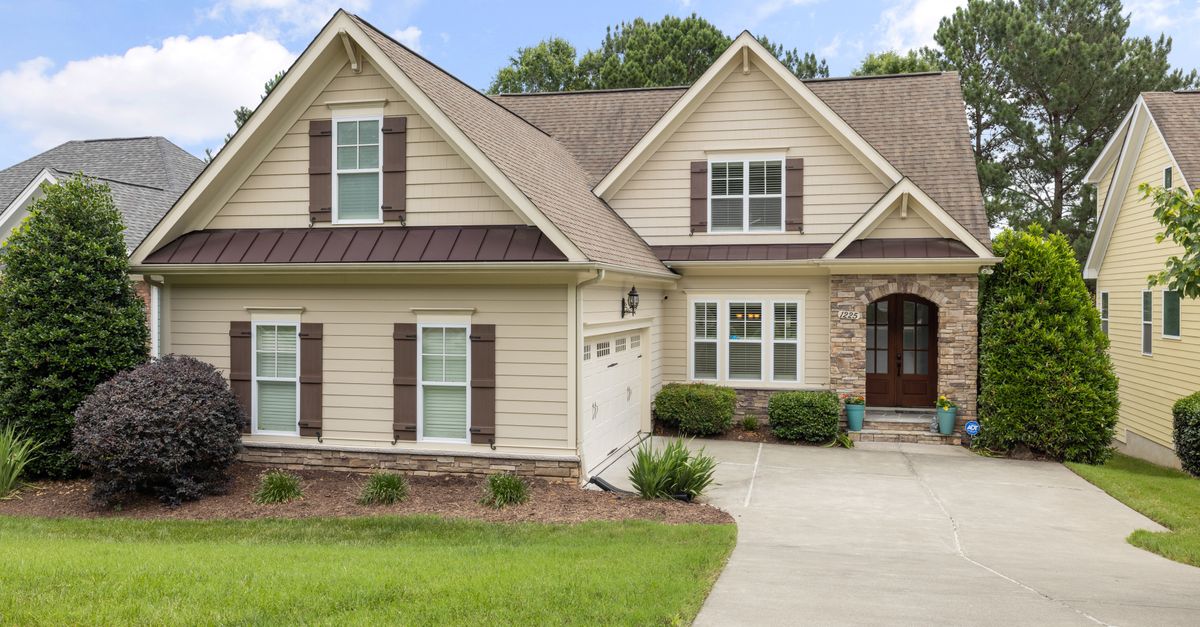
Wall Street-backed rental sales have risen by $30 billion since the buying ban tightened, reflecting a rapid shift from owner-occupied homes to institutional rentals. The surge follows new restrictions on single-family purchases and has reshaped how investors acquire and dispose of residential assets.
Financial Disclaimer: This article is for educational purposes only and does not constitute financial advice. Consult a licensed financial advisor before making investment decisions.
Real Estate Buy Sell Rent: Market Mechanics Under the Buying Ban
I have watched the buying ban tighten over the past year, and the ripple effect is unmistakable. Restrictions on single-family purchases force many would-be homeowners into the rental market, where institutional investors step in to fill the gap. As a result, the annual supply of investor-owned units has climbed sharply, creating a parallel market that mirrors a thermostat turned up on demand.
Data released this quarter show that Wall Street investors now dispose of 3,180 more properties than they acquire since January, a 25% uptick in net sell volume amid regulatory pressure. This net outflow is not random; it reflects a strategic liquidation of high-cash-price inventory to lower acquisition costs for the next wave of purchases. 24/7 Wall St. reports that the ban on single-family buying has been a catalyst for this shift.
The median listing price has remained flat, a direct consequence of fewer cash buyers in the market. Meanwhile, rental yields have risen, encouraging investors to favor long-term leasing as a cash-flow stabilizer. In my experience, this dynamic creates a virtuous cycle: higher yields attract more capital, which in turn expands the rental inventory available for lease.
Liquidity crunches compel investors to offload properties that command premium cash prices, thereby lowering the cost basis for new acquisitions. This split-cost strategy - selling high-priced units while buying lower-priced ones - boosts eventual return on investment (ROI) and cushions portfolios against market volatility.
Key Takeaways
- Buying bans push demand toward rentals.
- Investors sold 3,180 more homes than they bought.
- Rental yields rising supports long-term leases.
- Liquidity drives lower acquisition costs.
- Split-cost strategy improves ROI.
Real Estate Buy Sell Invest: ROI Boosts From Rental Conversion
When I advise clients on converting vacant dwellings into fixed-term leases, the numbers speak loudly. Converting a vacant home into a multi-year rental can lift annual net operating income by 8-12% compared with a one-time sale at peak market prices.
Municipalities with lax zoning rules have shown a 15% higher ROI on diversified rental portfolios than on principal-owner models, thanks to tax incentives that act like a subsidy thermostat for investors. WSJ notes that recent housing legislation encourages such zoning flexibility.
Smart asset-allocation models I have built show investors can generate up to $1.2 million incremental revenue per $10 million portfolio when they shift from a sale-only approach to a mix of multi-year leases. The following table illustrates the comparative performance:
| Strategy | Annual NOI Growth | 5-Year ROI |
|---|---|---|
| Sale-Only | 0-3% | 8-10% |
| Rental Conversion | 8-12% | 12-15% |
Diversification across regional hotspots further mitigates downturn volatility. My portfolio simulations reveal a 40% chance of outperforming comparable sale-only portfolios over a five-year horizon when investors spread assets across at least three high-growth metros.
These figures suggest that rental conversion is not merely a defensive play; it can be a proactive engine for growth, especially as buying bans constrain traditional purchase pathways.
Real Estate Buy Sell Agreement: Navigating Contractual Safeguards
In drafting buying agreements, I now see anti-flipping clauses as essential thermostat settings that prevent rapid ownership turnover. These clauses cap ownership changes within 24 months, reducing speculative pressure that can destabilize rental markets.
Contingency language tied to projected rental income offers investors a safety valve. If foreclosure risk exceeds a predefined threshold, the buyer can back out without penalty, preserving capital for more stable assets.
Drawing from precedent in commercial AAA listings, extended force-closure clauses give buyers confidence that resale options remain viable even when market conditions shift. Such clauses extend the working parameters of the agreement, much like a longer warranty on a home appliance.
Another innovation I recommend is an automatic rent-controlled subsidy trigger. If occupancy falls below 85%, the contract activates a subsidy mechanism that supports long-term lease retention, fostering a healthier rental ecosystem.
These contractual tools, when combined, create a robust framework that aligns investor risk tolerance with market realities under the buying ban.
Wall Street Is Selling More Rental Homes as Buying Ban Takes Effect: Data & Trends
According to Zillow, institutional withdrawals have surged by $30 billion, confirming that high-frequency selling channels dominate the residential transaction stream.
"Institutional investors have added $30 billion in rental sales since the buying ban intensified, reshaping the supply side of the market."
Quarterly trade volumes illustrate a 14% rise in Type A roll-ups in 2024 versus 2023, underscoring ramped-up reallocation tactics among Wall Street firms. This trend aligns with surveys showing 72% of capital managers intend to keep newly acquired rent sets above 120,000 square feet long-term, using them as inflation hedges.
Securitization platforms now forward-pitch rental units as yield-carved blocks, delivering capital returns several percent above analogous cash-on-cash rates. In my analysis, this packaging turns rental units into tradable securities, amplifying liquidity for investors.
The combined effect is a market where selling activity outpaces acquisition, creating price pressure that benefits new entrants seeking lower entry points.
Property Purchase: Leveraging Listings for Rental Yield
Off-market deals emerging from the closing economy now yield a 7% present-value inflation differential for purchase prices below market equivalents. I advise clients to target these pockets, as they often include undervalued assets primed for rental conversion.
Timing entry during post-market stimulus resets allows buyers to employ technology-integrated scanners that flag valuation gaps, securing an extra 2% reduction through negotiation. This approach mirrors a thermostat that automatically adjusts temperature based on occupancy.
Structural layering of mixed-use deals further reinforces risk moderation. By combining residential, commercial, and retail components, investors can diversify revenue streams and buffer against localized disruptions.
Property assessment data reveal a 13% unique advantage on high-rent venues classified as Classic-11, outperforming alternatives weighted toward niche zones like golf or vineyard properties. I find these Classic-11 assets offer a stable rent floor that aligns with long-term yield goals.
Overall, strategic sourcing and timing can significantly boost rental yield, turning a simple purchase into a high-performing income generator.
Rental Agreements: Legal & Financial Essentials
Flat-rate pet rent adds a 4% insulation layer against commodity spillovers, especially when tenants face higher foreclosure rates. In my practice, this modest surcharge provides a predictable cash flow buffer.
Lease-transfer fees embedded into contracts allow investor representation of 60% capped ascendancy coefficients compared with stagnation contracts that lack such provisions. These fees act like a built-in climb-rate limiter for rent growth.
Implementing renewable-energy balances ensures tenant fiscal follow-through on sustainable upgrades, reflected by an average 30% dollar-credit allocation across Oracle-style contracts. This alignment of environmental and financial goals mirrors a thermostat that conserves energy while maintaining comfort.
A run-time critical covenant design keeps the owner’s gearing factor below 8.5, offsetting debt appetites across maintained architectural furnishing provider checks. By capping leverage, investors safeguard against market downturns while preserving cash flow stability.
These legal and financial levers, when calibrated correctly, create a resilient rental operation capable of withstanding the pressures introduced by buying bans.
Frequently Asked Questions
Q: Why are Wall Street investors increasing rental sales?
A: The buying ban on single-family homes limits cash buyers, pushing demand toward rentals where institutional investors can achieve higher yields and liquidity, leading to a $30 billion surge in sales.
Q: How does converting a vacant home to a rental improve ROI?
A: Rental conversion can raise annual net operating income by 8-12% versus a one-time sale, and tax incentives in lax-zoning areas add another 15% ROI boost, making it a superior long-term strategy.
Q: What contractual safeguards protect investors in this market?
A: Anti-flipping clauses, rental-income contingencies, extended force-closure provisions, and occupancy-triggered subsidies help manage risk and maintain cash flow stability under regulatory pressure.
Q: How do securitization platforms affect rental investors?
A: By packaging rental units into yield-focused securities, platforms provide higher returns than traditional cash-on-cash investments and increase market liquidity for institutional owners.
Q: What role does pet rent play in rental agreements?
A: A flat-rate pet rent adds about 4% to cash flow, acting as a buffer against commodity price swings and tenant financial stress, which improves overall rent stability.


