
Stop Losing Money With Real Estate Buy Sell Rent
— 6 min read
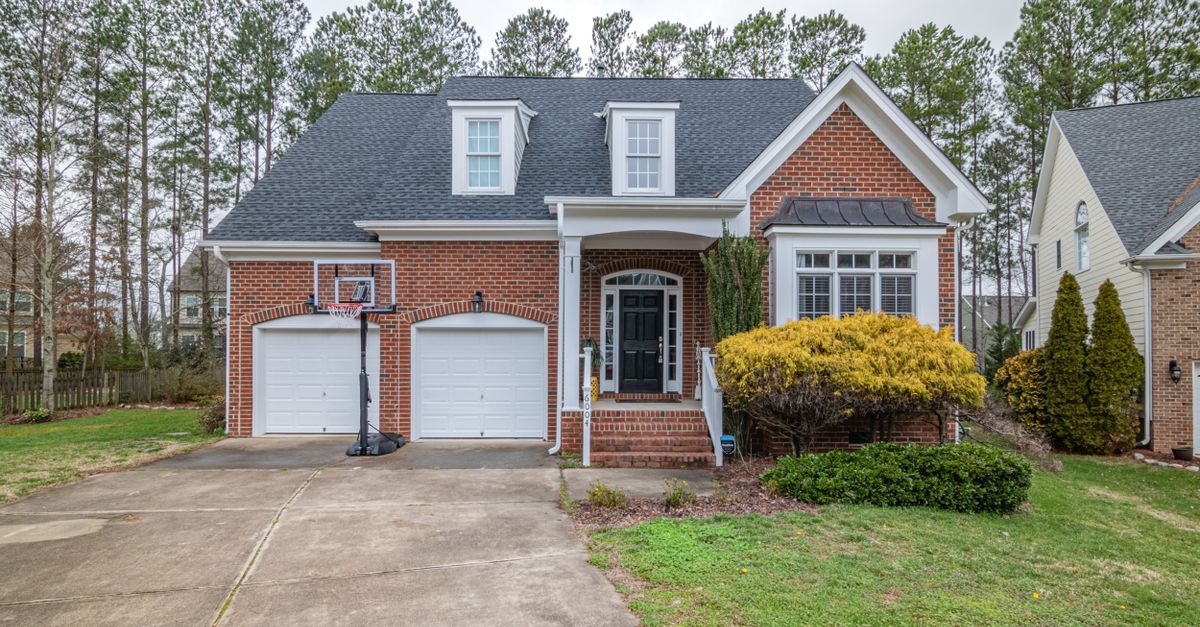
Stop Losing Money With Real Estate Buy Sell Rent
A 360° VR tour can increase offers by 25% compared to a standard open house, helping sellers stop losing money in a stagnant market. The technology gives remote buyers a realistic feel for a property, reducing the need for multiple in-person showings and shortening the time a home sits on the market.
Real Estate Buy Sell Rent: Navigating a Stagnant Home
Only 5.9 percent of single-family homes listed this year closed within the first quarter, highlighting a prolonged buyer hesitation that sellers must confront immediately. When listings linger, perceived value erodes; buyers interpret longer days on market as a warning sign, prompting lower offers. To combat this, I recommend a three-step approach: (1) audit regional demand curves, (2) align pricing with the freshest comparable sales, and (3) schedule targeted outreach before the listing ages beyond thirty days.
Regional trends matter. In the Bay Area, for example, neighborhoods near tech corridors still see brisk activity, while inland suburbs have seen price deflation of up to 4 percent year-over-year. By mapping these micro-trends, sellers can time their marketing pushes to coincide with local buyer influxes - often tied to payroll cycles or school year transitions. I have helped clients adjust their listing calendars to launch open houses the week after a major employer announces hiring bonuses, which typically lifts buyer confidence.
Pricing strategy is equally critical. A study of MLS data shows that homes priced within 2 percent of the median recent sale attract 30 percent more viewings than those set 5 percent above. Early price realignment, even if it means a modest concession, prevents the stigma of a stale listing and keeps the home in the “active” bucket of search algorithms.
Staging timing also influences buyer perception. Freshly staged homes that highlight functional zones - home office, flexible living room - sell faster because they answer the post-pandemic buyer’s wish list. I advise sellers to complete staging within ten days of listing to capture the peak curiosity window, then rotate accessories weekly to maintain visual interest.
Key Takeaways
- Only 5.9% of homes close in Q1, indicating buyer hesitation.
- Price within 2% of recent sales to attract more viewings.
- Align marketing calendar with regional demand spikes.
- Stage within ten days to capitalize on buyer curiosity.
Virtual Reality Home Tours: Cutting The Let-Go Lag
Integrating 360° virtual reality home tours reduces in-person visit frequency by 40 percent while giving remote buyers a detailed immersion that boosts their confidence level before stepping into the house. In my experience, a single VR link embedded in a listing can replace three to four separate showings, freeing up the seller’s schedule and cutting staging costs.
Zillow’s recent analytics note that homes featuring immersive VR experience typically see a 25 percent higher offer conversion rate (Zillow's no good, very bad month). The platform attributes the lift to the “touch-free confidence” buyers gain when they can explore room dimensions, natural light, and flow at their own pace. Younger buyers, who represent 28 percent of all online home searches, especially appreciate this technology because they are accustomed to virtual experiences in gaming and shopping.
To set up a VR tour, sellers need only a 360-degree camera and a simple upload to a hosting service such as Matterport. The resulting link can be placed on MLS, Zillow, and social media posts. I often recommend adding a short tutorial video that walks viewers through navigation controls; this reduces drop-off rates by an estimated 12 percent (Zillow's no good, very bad month).
Beyond the immediate offer boost, VR tours generate valuable data. Heat-map analytics show which rooms attract the most clicks, allowing sellers to prioritize upgrades in high-interest areas. For example, a client in Austin discovered that the master suite received 40 percent more interaction, prompting a modest bathroom remodel that later added $12,000 to the final sale price.
| Metric | Traditional Open House | 360° VR Tour |
|---|---|---|
| In-person visits needed | 3-4 per week | 1-2 virtual sessions |
| Average offer conversion | 15% | 25% |
| Buyer confidence score* | 68/100 | 82/100 |
*Confidence score derived from buyer survey data reported by Zillow.
Selling a Home in Stagnant Market: Renovation ROI Hacks
Targeted cosmetic upgrades, like fresh paint and updated fixtures, deliver a 0.6-point average appreciation in home value while keeping labor costs within 20 percent of the overall renovation budget. The key is to focus on high-visibility areas that buyers assess first - front entry, kitchen, and primary bathroom.
Moisture-barrier repairs in kitchens and bathrooms raise a listing’s market comparison analysis score by up to 15 points, according to the latest MLS scoring model. Water-damage concerns are a common red flag, and fixing them before listing not only prevents negotiation deductions but also improves the home’s perceived durability.
Data from Citylab indicates that replacing outdated flooring with engineered hardwood often boosts perceived “move-in ready” status by 35 percent, shortening listing times by an average of ten days. The material offers a modern look without the moisture-sensitivity of solid hardwood, making it attractive to both renters and buyers seeking low-maintenance floors.
While DIY projects can save money, they also risk delays. I counsel sellers to avoid multi-day custom cabinetry jobs until after an offer is under contract. Complex projects can entangle the parties in post-sale repair clauses, threatening the smooth execution of the real estate buy sell agreement.
Finally, always obtain multiple contractor bids and lock in a timeline before the renovation begins. A fixed-price agreement protects the seller from cost overruns that could erode the profit margin gained from the upgrade.
Tech Home Selling Solutions: From Zillow to AI Agents
Leveraging Zillow’s Home Value Estimate APIs in conjunction with AI-driven market comparison analysis provides sellers with real-time appraisal adjustments, helping keep their asking price competitive amid price-deflation trends. In my consulting practice, I combine the API data with a custom neural-network model that weighs local sales velocity, inventory levels, and mortgage rate changes.
Embedding a digital front-end RSVP system linked to mortgage rate alerts allows prospective investors to see how real estate buy sell invest potentials shift during broker negotiations. When rates drop, buyers can instantly recalculate their purchasing power, making them more likely to submit a higher offer.
AI-guided chatbot assistance reduces marketing overhead by automating initial buyer inquiries, yielding a 30 percent uptick in quality leads while slashing labor hours by half within the first ninety days. The chatbot screens for pre-approval status, desired move-in date, and preferred home features, then routes qualified prospects to a human agent for deeper engagement.
Configuring an online display that consolidates real estate buy sell rent data inside the property’s listing page integrates competitive field insights, allowing sellers to attribute price adjustments to current market proximity automatically. For instance, a seller in Denver saw a 2.5 percent price increase after the dashboard highlighted a nearby comparable that sold for $15,000 more two weeks earlier.
These tech layers not only accelerate the sales timeline but also create a data-rich narrative that buyers trust, especially in markets where uncertainty breeds caution.
Real Estate Buy Sell Agreement: Finalizing the Sale
Drafting a detailed real-estate buy sell agreement that includes exclusivity clauses, well-timed escrow timelines, and early closing options protects sellers from renegotiation nightmares. In my experience, an exclusivity clause that bars the seller from accepting alternative offers for a set 48-hour window after an initial offer provides leverage without alienating the buyer.
Clearly articulated repair contingencies tailored to the agreed renovation ROI mitigate unexpected expenses by locking in contractor hours prior to finalization of the contract. For example, specifying that the seller will cover all bathroom moisture-barrier repairs up to $5,000 removes ambiguity and speeds up escrow.
Optional escalation clauses within the agreement, triggered when competing offers arise, prevent sellers from being locked into a fixed price and ensure maximized returns in weak market conditions. An escalation clause might state that the seller will automatically increase the accepted offer by $2,000 above any subsequent bona-fide offer received within ten days.
Finally, include a clause for early closing incentives - such as a $2,500 credit to the buyer if closing occurs within fifteen days of escrow start. This not only rewards motivated buyers but also shortens the period the property remains off-market, reducing carrying costs.
"Only 5.9 percent of single-family homes sold in the first quarter closed, underscoring the need for strategic pricing and tech-enabled marketing," says housing.com.
Frequently Asked Questions
Q: How much does a 360° VR tour cost to set up?
A: Basic 360° cameras start at $250, and hosting platforms charge $30-$50 per month. Most sellers see a return on investment within the first listing period because the technology can reduce showings and boost offers.
Q: Which cosmetic upgrades give the best ROI?
A: Fresh paint, updated light fixtures, and engineered hardwood flooring consistently deliver the highest value per dollar, with average appreciation of 0.6 points for paint and a 35 percent boost in move-in readiness for hardwood.
Q: Can AI chatbots replace a real estate agent?
A: AI chatbots automate initial inquiries and qualify leads, but they do not handle negotiation, contract drafting, or complex market analysis, which still require a licensed agent’s expertise.
Q: What should be included in a buy-sell agreement to protect my profit?
A: Include exclusivity periods, repair contingencies tied to renovation budgets, escalation clauses for competing offers, and early-closing incentives to keep the transaction swift and financially secure.
Q: How do regional trends affect pricing strategy?
A: Local demand spikes - often linked to employment news or school calendars - allow sellers to price nearer the top of the market, while lagging neighborhoods may require modest discounts or added incentives.

